
The Hidden Cost of Ignoring Building Envelope Maintenance in 2026

If there’s one trend dominating property ownership in 2026, it’s this: preventative maintenance is cheaper than emergency repairs and smarter than reactive renovations.
Across residential and small commercial properties, one issue keeps surfacing again and again: building envelope failure. And most owners don’t even realize it’s happening until the damage is extensive.
At 24H Contracting Services, we’ve seen firsthand how minor exterior issues quietly turn into structural repairs, interior damage, and major restoration costs.
Let’s break down what’s happening and how to stay ahead of it.

Your building envelope is everything that separates the interior from the outside environment. That includes:
Exterior walls
Roofing systems
Windows and doors
Foundation
Sealants and flashing
Siding, brick, or stucco finishes
Its job is simple: keep water out, maintain insulation, and protect structural integrity.
When even one component fails, moisture finds a way in.
Why This Is Trending in 2026
Three factors are driving a surge in envelope-related repairs:
1. Extreme Weather Fluctuations
Rapid freeze-thaw cycles, heavy rainfall, and temperature swings are accelerating deterioration in sealants, masonry, and exterior finishes.
2. Aging Properties
Many homes and low-rise buildings built 15–30 years ago are hitting the point where exterior systems need resealing, re-caulking, or structural reinforcement.
3. Delayed Maintenance
During economic uncertainty, many owners postponed preventative work. Now those small issues are compounding.
The result? Higher repair costs that could have been avoided.
The Warning Signs Most Owners Miss
Here’s what to watch for:
Hairline cracks in exterior caulking
Brick or stucco discoloration
Efflorescence (white powder on masonry)
Small foundation cracks
Peeling paint near windows
Minor interior water stains after heavy rain
Individually, these may seem cosmetic. Together, they signal moisture intrusion.

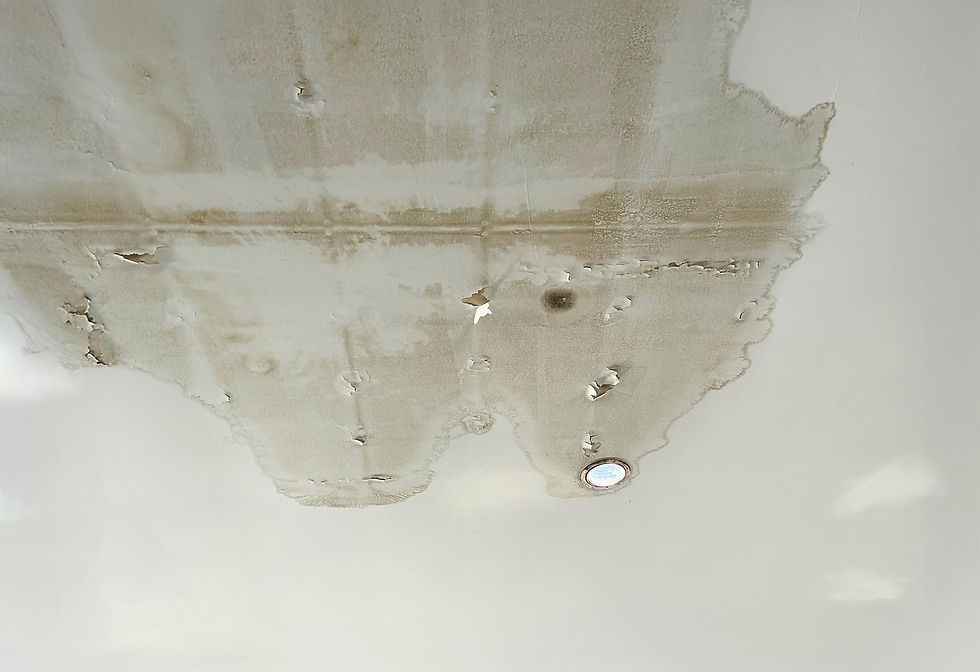
The Real Cost of “Waiting One More Season”
Delaying envelope repairs often leads to:
Mold remediation
Structural wood rot
Insulation replacement
Interior drywall and flooring damage
Increased energy bills
A $600 exterior reseal can easily turn into a $12,000 restoration project if ignored long enough.
And the biggest mistake? Only call contractors when there’s visible interior damage.
By that point, the problem is already advanced.
Building Envelope Maintenance: The Smart Property Strategy for 2026
Proactive building envelope maintenance is one of the most cost-effective strategies property owners can implement in 2026. Addressing minor exterior vulnerabilities early prevents structural deterioration, moisture intrusion, and escalating repair costs.
A proactive approach includes:
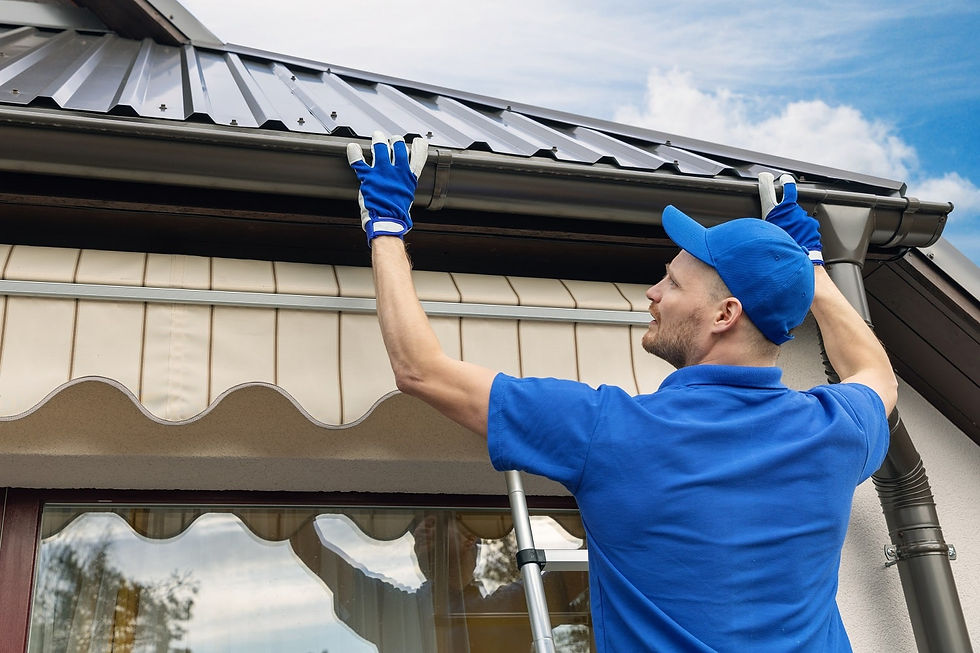
Exterior sealant checks
Flashing inspections
Masonry assessments
Minor crack repairs
Preventative waterproofing
Targeted patchwork before seasonal changes
This isn’t about over-renovating. It’s about controlled, strategic maintenance.
What 24H Contracting Services Focuses On
At 24H Contracting Services, our priority is simple: Protect the structure before it fails.
We focus on:

Waterproofing solutions
Masonry and façade restoration
Sealant and flashing replacement
Rapid response for urgent envelope failures
And we approach each project with long-term performance in mind, not temporary patch jobs.
Final Thought: Maintenance Is a Financial Strategy
The most valuable properties aren’t the newest ones. They’re the ones that are properly maintained.
In 2026, smart property ownership isn’t about flashy renovations. It’s about structural protection, controlled spending, and preventing problems before they escalate.
If your property hasn’t had a professional exterior inspection in the last 12 months, it may be time to take a closer look.
Because the damage you can’t see yet is often the most costly.


Comments